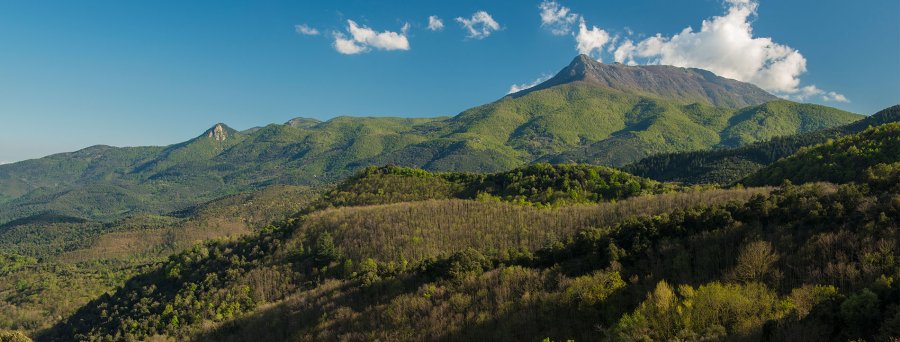
A stone’s throw from the major metropolitan areas of Barcelona and Girona, Montseny is shaped by contrasts, biodiversity and tradition. Declared a Biosphere Reserve by UNESCO over 40 years ago – one of the first in Spain – this mountain range offers both iconic landscapes and a living region where human activity and respect for nature coexist harmoniously.
A mosaic of landscapes with universal value
Montseny Nature Park is structured around three major mountain ranges: Turó de l’Home i les Agudes, Matagalls and Pla de la Calma. This topographical diversity – combined with the proximity of the sea – gives rise to an exceptional phenomenon: the presence of Mediterranean, Eurosiberian and Boreal-Alpine biomes in one area.
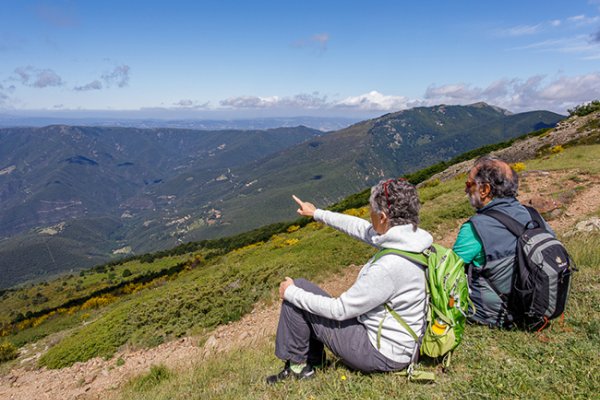
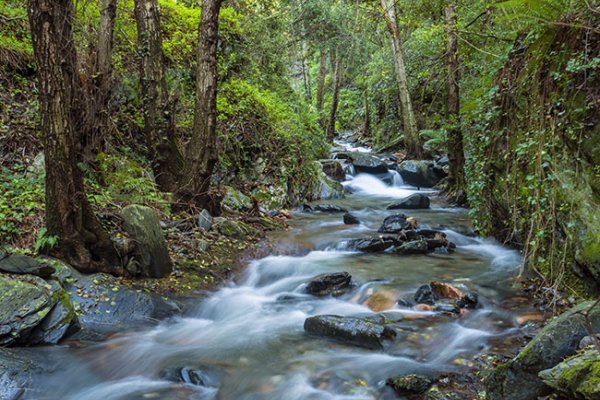
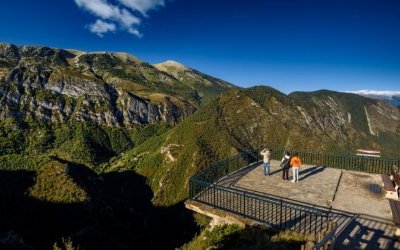
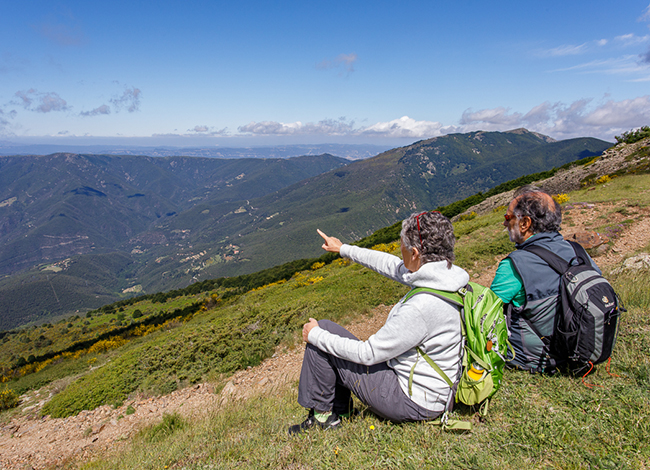
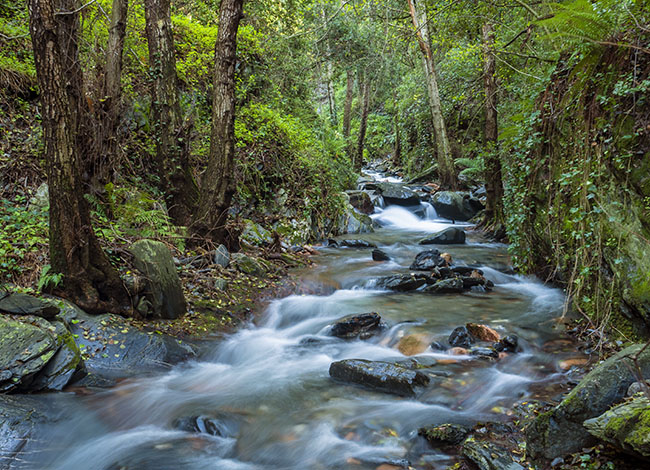
Going for a stroll in Montseny means witnessing several natural worlds in just a few kilometres. In the foothills, paths wind their way through holly oak, cork oak and pine forests. As the altitude increases, the air becomes cooler and more humid, and beech and fir trees create a magical landscape. On the peaks, mountain meadows and sub-Alpine shrubland open up like natural balconies from which you can see the sea on a clear day.
This living mosaic is home to unique species such as the Montseny newt, the only vertebrate native to Catalonia, and a wide range of mammals, birds and butterflies which accompany visitors with a discreet gaze.
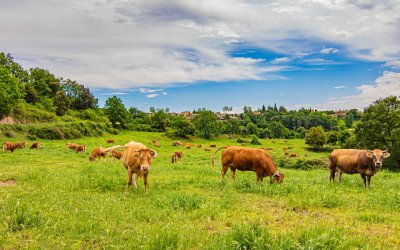
Humans have been present in Montseny for thousands of years, shaping its scenery over time. Farmhouses, paths, terraced slopes and pastureland are part of its cultural heritage, which bears witness to traditional resource management based on responsible usage. This historical relationship between people and the land is the key to understanding the park’s current balance.
A tourism model compatible with conservation
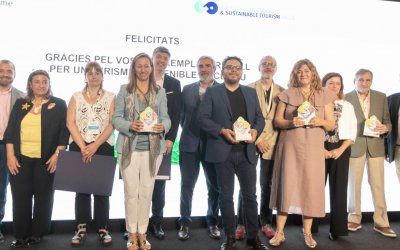
This responsible vision translates into a shared strategy involving the park’s managers, the business network in the area and the local community. The Montseny Association of Tourism Business Owners plays a crucial role, working closely with the management team to guarantee biodiversity conservation, sustainable development and people’s well-being.
This model has been strengthened by membership of Destination Barcelona Commitment to Tourism Sustainability and the European Charter for Sustainable Tourism, as well as its active participation in Spanish initiatives such as Soy Ecoturista – Ecotourism in Spain that promote ecotourism experiences linked to natural and cultural heritage.
In day-to-day operations, this translates into water and energy efficiency measures, responsible waste management, support for local products and sustainable mobility, as well as culinary, informative and education experiences that connect visitors and the local area through respect and awareness.
A destination looking to the future
Montseny proves that tourism can become a tool for conservation and development when it is managed with clear criteria and involves all stakeholders. Its model based on quality, consistency and shared responsibility strengthens this mountainous area’s identity and preserves its values for future generations.
Visiting Montseny is about much more than discovering spectacular scenery. It’s about being part of a collective project that prioritises biodiversity, culture and people’s well-being. It also means taking on responsibility as a visitor: 85% of the park’s land is privately owned, and harmony between the local population and visitors is one of the biggest challenges in the management of this natural site.
That’s why it’s important to follow only signposted routes, minimise your environmental impact and respect the area. This is the best way to help to preserve this shared heritage.
Find out much more at parcsnaturals.gencat.cat