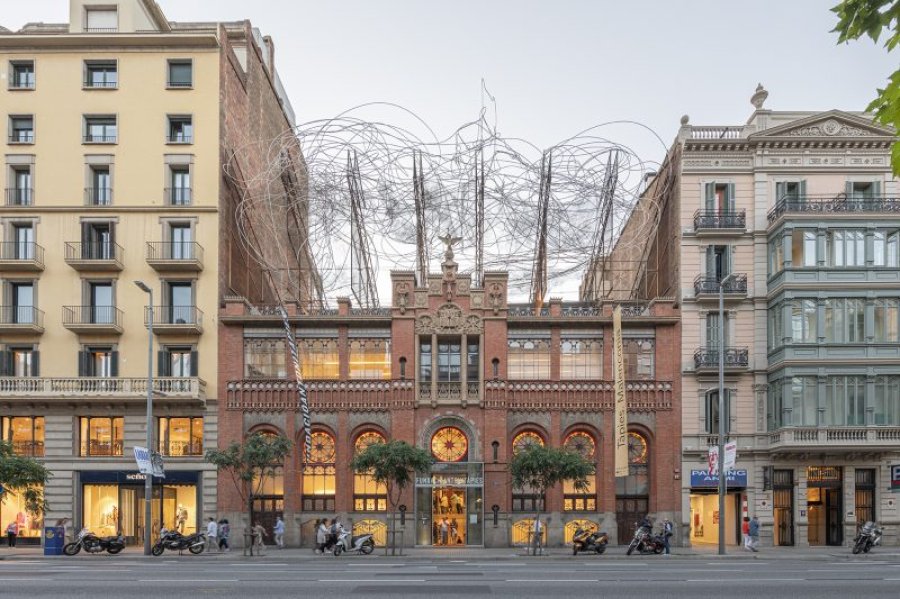
In the heart of Barcelona, on Carrer d’Aragó, we find a building crowned by a large cloud and a chair. This Barcelona icon summarises an essential part of the city’s cultural and artistic history with just one glance.
More than just a space for discovering the art of one of the most influential Catalan artists of the 20th century, the Museu Tàpies is a place where art and thought are in constant dialogue, with a critical perspective inextricably linked to current challenges.
A timeless vision
Created in 1984 by Antoni Tàpies, the museum seeks to promote the study and dissemination of contemporary art from an open, interdisciplinary standpoint. The building that houses it, designed by Lluís Domènech i Montaner, is a great example of this philosophy, as it is the first in Eixample to be made with industrial materials such as exposed brick and iron.
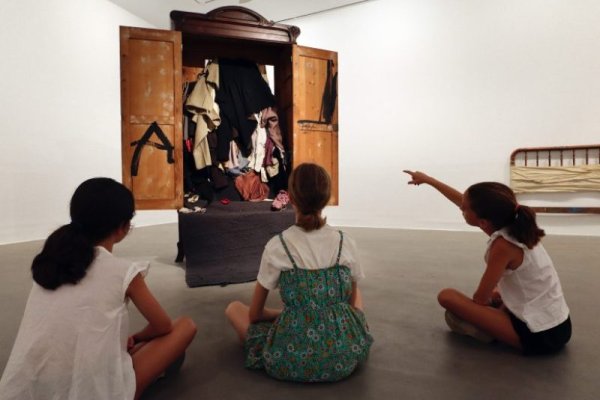
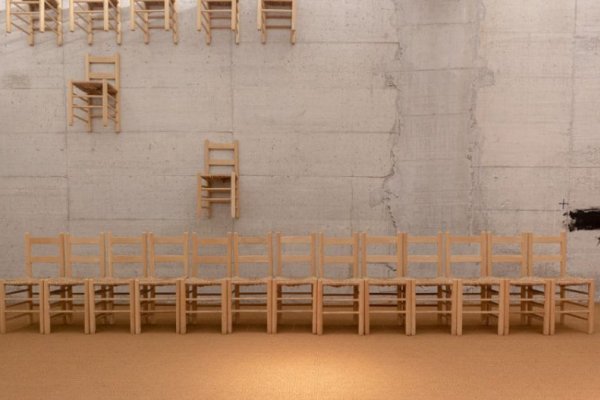
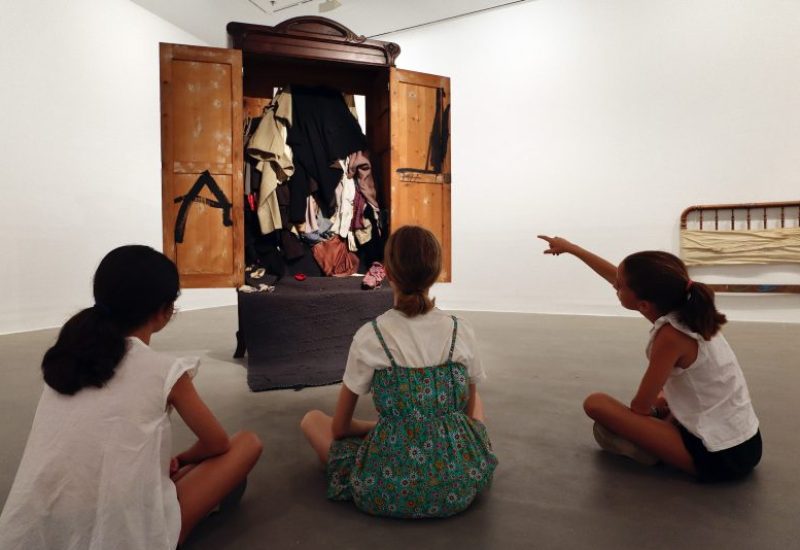
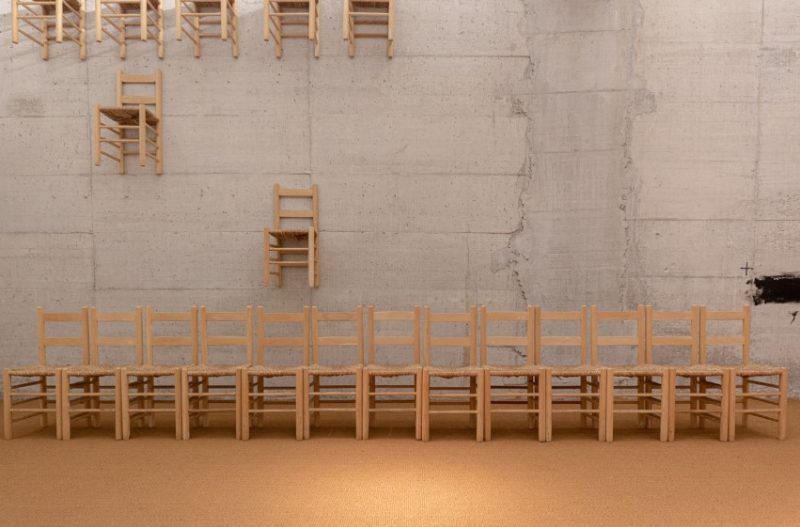
Inside, the visitor experience goes beyond merely admiring the works. The collection of Tàpies’s works, mainly consisting of donations from the artist, is combined with temporary exhibitions, lectures, symposiums and activities that build bridges between local creation and the international scene. And the museum’s specialist library, less well known but just as important, houses a wealth of documents on art and cultures from all over the world.
Art, city and commitment
The museum experience is intended to be a leisurely, mindful discovery of the heritage on display, with guided tours and experimental workshops that invite participants to develop their own unique perspective.
Accessibility is a key principle, and the museum is committed to ensuring it by offering multiple ways to access and interpret the exhibition, such as El maletí de Tàpies (‘Tàpies’s Briefcase’), which uses tactile materials to create a sensory experience, or L’audiodescripció com a mirada (‘Audiodescription as a perspective’), which incorporates audio resources to present the artworks to visually impaired visitors.
As part of the Destination Barcelona Commitment to Tourism Sustainability, the museum is taking steps to reduce the environmental impact of its activity, including promoting public transport and energy efficiency and reducing consumption of water and single-use plastics.
This commitment goes beyond the museum’s walls. Extramurs is a project that views the city as a space for action, outreach and community and invites us to rethink our role as citizens in a world shaped by inequality, neoliberalism and the climate emergency.
Art as a tool for transformation
The Museu Tàpies reveals that art is a powerful driving force for social transformation that can spark critical thinking, inclusion and collective awareness.
In addition to preserving and sharing heritage, the museum paves the way for new ways of looking at and living in the world, thus demonstrating that culture can be a true lever for change to achieve a fairer, more sustainable, more connected society. Here, art is not just observed; it also challenges us, accompanies us and, above all, transforms us.
Find out more at www.museutapies.org